
Foundations
Part of Promotional merchandise foundations: definitions, demand and sourcing routes
Choosing promotional merchandise business models without guesswork
Compare four promotional merchandise business models in England: stock-and-sell, print-on-demand, agency and licensing, and what each does to cash flow.
What to take away
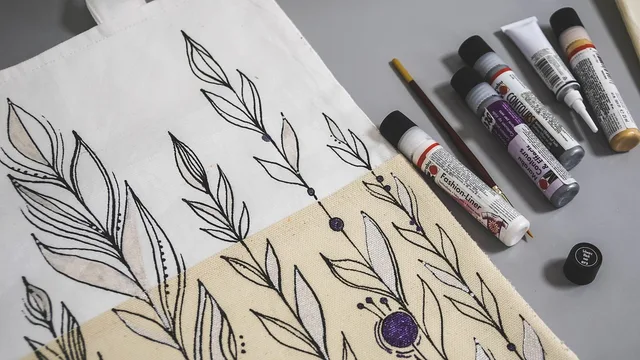
A two-person team in Leicester quoting 500 branded tote bags for a client conference is choosing a business model, not just a supplier.
- Four models cover almost all of the England tradestock-and-sell, print-on-demand, agency work, and licensing.
- Stock-and-sell earns on bulk buying and volume rebates, while print-on-demand earns on speed and short runs.
- Cash flow matters more than headline margin, because blanks are paid for months before the invoice.
- Advertising and intellectual property rules apply to every model, so check both before quoting.
Which promotional merchandise business models cover most of the UK market?
Four. A stock-and-sell supplier buys blanks in bulk, warehouses them and sells from inventory. Trade-only blank wholesalers include Ralawise, PenCarrie and BTC Activewear. Print-on-demand reverses this: the order arrives before decorating begins.
Four Promotional Merchandise Models
Stock-and-sell
- Buys blanks in bulk
- Yes
- Warehouses stock
- Yes
- Order before decorating
- No
- Owns inventory
- Yes
- Entry cost
- High
- Relationship owner
- Supplier
Print-on-demand
- Buys blanks in bulk
- No
- Warehouses stock
- No
- Order before decorating
- Yes
- Owns inventory
- No
- Entry cost
- Low
- Relationship owner
- Supplier
Agency
- Buys blanks in bulk
- No
- Warehouses stock
- No
- Order before decorating
- No
- Owns inventory
- No
- Entry cost
- Low
- Relationship owner
- Client
Licensing
- Buys blanks in bulk
- No
- Warehouses stock
- No
- Order before decorating
- No
- Owns inventory
- No
- Entry cost
- Low
- Relationship owner
- Brand owner
An agency or intermediary takes the brief, sources from a decorator and manages the client relationship, but owns no stock. Licensing sells the right to use a brand or character on goods made by someone else.
BPMA estimates put the UK promotional merchandise market at about £2bn a year, split between large distributors and several hundred smaller decorators. The promotional merchandise market size in England page sets out the split.
How does cash flow differ between stock and print-on-demand?
Take an illustrative distributor in Leeds with one product line. It buys 1,000 plain tote bags at £2.40 each, so £2,400 leaves the account before any client order exists. One-colour print adds £0.60 a bag, taking the unit cost to £3.00.
Cash Flow: Stock vs Print-on-Demand
Stock-and-sell
- Unit cost
- £3.00
- Selling price
- £6.50
- Unit margin
- £3.50
- Upfront cash
- £2,400
- Stock risk
- Yes
- 200-unit margin
- £700
Print-on-demand
- Unit cost
- £4.20
- Selling price
- £6.50
- Unit margin
- £2.30
- Upfront cash
- £0
- Stock risk
- No
- 200-unit margin
- £460
Selling at £6.50 returns £3,500 of gross margin across the full run, but only when all 1,000 units sell.
The same bag on a print-on-demand trade account costs £3.10 for the blank and £1.10 for decoration, so the unit cost is £4.20 against the same £6.50 price. Margin falls to £2.30 a unit, and nothing is bought until the order is confirmed.
On a 200-unit order that is £460 of margin and no stock risk. The stock model wins on unit economics, while print-on-demand wins on capital.
Where do margins come from in each model?
Volume rebates sit behind most stock-model pricing.
Print-on-demand earns from setup charges and small-run pricing. A £25 setup fee across a 50-unit order adds £0.50 a unit.
Agency work earns a service margin, often a percentage of client spend, with no inventory risk. The client usually owns the relationship with the decorator.
Licensing earns the brand owner a royalty, not a product margin. Typical rates run from about 5% to 15% of net sales, and the licensee keeps what remains after royalty, product cost and marketing.
The England market guide for 2027 sets out where demand is heading.
How do agency and licensing models change the paperwork?
Licensing means a brand owner grants use of a logo, character or design on goods in return for a royalty. Typical rates run from about 5% to 15% of net wholesale revenue.
Deals often include an advance or minimum guarantee and a term of one to three years.
The types of intellectual property set out by GOV.UK distinguish trade marks, registered designs and copyright, which matters when a client asks for artwork that is not theirs to license. If a client asks for a football club crest, you need a trade mark licence for that mark and the relevant goods class.
An agency that never owns the goods still needs a written agreement covering artwork approval, delivery dates and damage risk.
Do advertising rules differ by business model?
No. The regulatory news and updates published by the ASA apply to claims about a promotional product however it was sourced. If a stock supplier advertises next-day dispatch, the CAP Code requires evidence for that claim before the ad runs.
The ONS IT and internet industry statistics cover firms selling merchandise through digital channels.
Common questions
Can one business run stock and print-on-demand together?
Yes. One line covers repeat orders at a known price, while the other absorbs short runs without buying inventory.
Which model suits a first-year supplier with limited capital?
Print-on-demand or agency work, because neither requires buying goods up front. Typical first-year capital ranges are about £1,000 to £3,000 for print-on-demand, £2,000 to £5,000 for agency, £10,000 to £25,000 for stock-and-sell, and £5,000 to £15,000 for licensing once an advance and legal review are included.
Is stock-and-sell always cheaper per unit?
No. It is cheaper when the run sells through. If half the stock sits for a year, storage and tied-up cash can wipe out the unit advantage.