Costs and pricing
Part of Branded workwear suppliers: embroidery vs screen printing compared
Branded workwear suppliers: embroidery vs screen printing compared
Compare UK workwear suppliers Clothes2Order, Workwear Express and Simon Jersey on embroidery digitising, screen setup fees, minimum orders and trade standards.
What to take away
- Clothes2Order, Workwear Express, Simon Jersey, Alexandra and Garment Printing supply UK branded workwear. They quote both methods, but setup fees differ.
- Embroidery digitising often costs £15 to £35 per logo. Screen printing setup often costs £15 to £30 per colour. Ask for current rates before you order.
- Minimum orders vary. Clothes2Order and Workwear Express accept single garments. Garment Printing normally asks for 10 or more for screen printing.
- For high-visibility work, check EN ISO 20471. For flame-resistant work, check EN ISO 11612. Decoration must not cover reflective tape.
UK suppliers compared
Clothes2Order is a Manchester supplier with no minimum. Its public order builder shows embroidery digitising around £15 and screen setup around £15 per colour. It suits small team orders and samples.
UK Workwear Suppliers Compared
Clothes2Order
- Location
- Manchester
- Minimum order
- None
- Embroidery digitising
- £15
- Screen setup per colour
- £15
- Best for
- Small teams
Workwear Express
- Location
- Durham
- Minimum order
- Single items
- Embroidery digitising
- £25
- Screen setup per colour
- £25
- Best for
- Large rollouts
Simon Jersey
- Location
- Accrington
- Minimum order
- One garment
- Embroidery digitising
- £24
- Screen setup per colour
- £30
- Best for
- Corporate uniforms
Alexandra
- Location
- UK
- Minimum order
- Not stated
- Embroidery digitising
- £30
- Screen setup per colour
- £25
- Best for
- Healthcare, logistics
Workwear Express is based in Durham and also takes single items. Published rates start near £25 for embroidery digitising and £25 per screen colour. It handles larger uniform rollouts.
Simon Jersey in Accrington supplies corporate uniforms. Its logo service quotes digitising from about £24 and screen setup from about £30 per colour. Minimum order is usually one garment.
Alexandra is a long-running UK workwear brand. It prices embroidery digitising and screen setup by quote, often near £30 and £25 per colour. It suits healthcare and logistics uniforms.
Garment Printing is a London printer with a 10 garment minimum for screen printing. It advertises digitising from £20 and screen setup from £20 per colour. Embroidery can run on single items.
How the two decoration methods differ
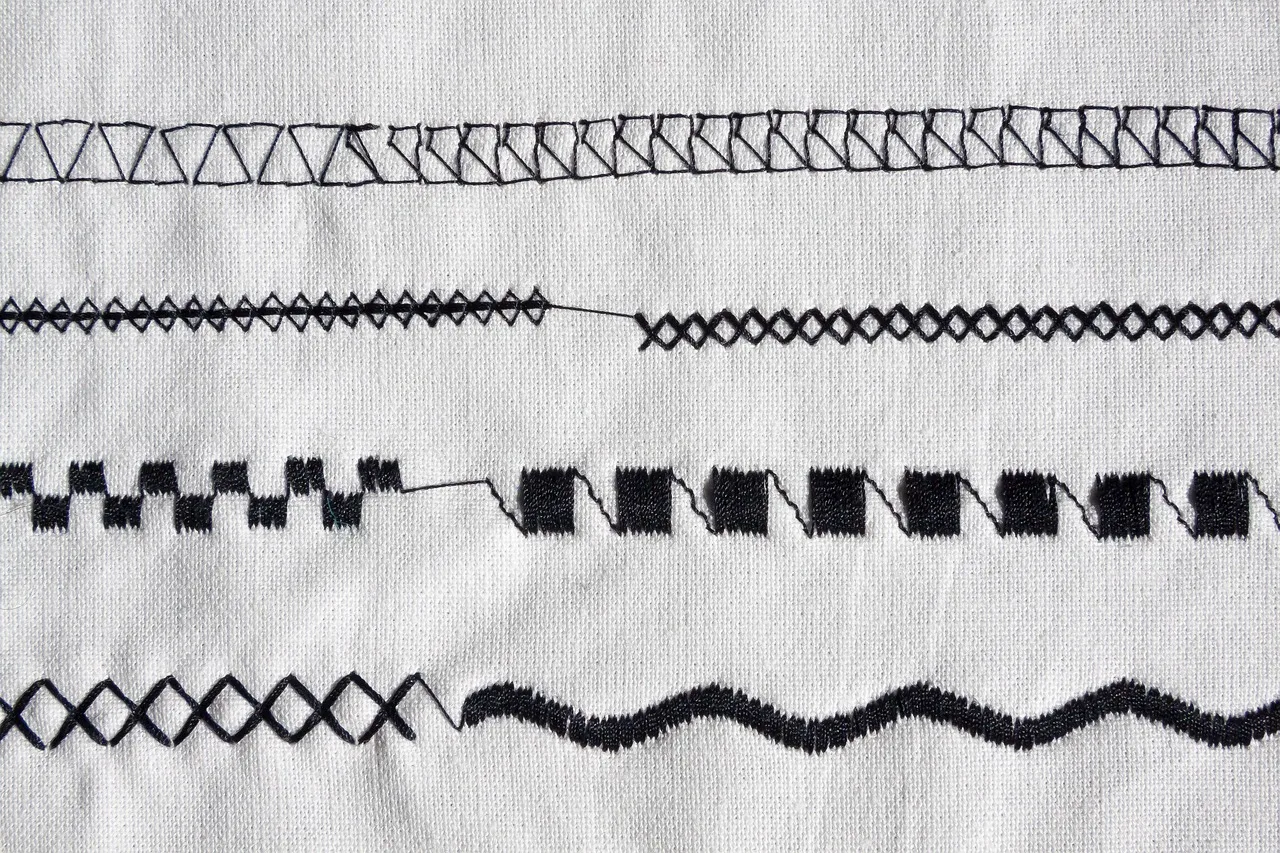
Embroidery stitches thread into the garment. It suits polos, fleeces, caps and work jackets. The finish is textured and durable. It copes with curved lettering and small text, but fine detail can close up.
Embroidery vs Screen Printing
Embroidery
- Method
- Stitches thread
- Best garments
- Polos, fleeces, caps
- Detail
- Good for text, curves
- Feel
- Textured and durable
- Best for
- Managerial uniforms
Screen printing
- Method
- Ink through mesh
- Best garments
- T-shirts, flat garments
- Detail
- Best with simple shapes
- Feel
- Firmer ink layer
- Best for
- Event crews, campaigns
Screen printing pushes ink through a mesh stencil. It suits bold shapes, block colours and larger runs. The ink sits on the fabric, so it can feel firmer than embroidery. It works on flat garments such as t-shirts.
The split is practical. Embroidered workwear suits managerial or client-facing uniforms. Screen printed uniforms suit event crews, warehouse teams and short campaigns.
Setup costs and repeat orders
Embroidery pricing starts with digitising. A supplier converts your logo into a stitch file for the machine. You normally pay once per design, then reuse the file.
Setup Costs and Repeat Orders
Embroidery
- Setup
- Digitising per design
- One-colour print
- Not applicable
- Three-colour print
- Not applicable
- Repeat orders
- Reuse stitch file
- Small runs
- Higher unit cost
Screen printing
- Setup
- Screen per colour
- One-colour print
- One setup fee
- Three-colour print
- Three setup fees
- Repeat orders
- Reuse screens if kept
- Small runs
- Higher unit cost
Screen printing pricing starts with screens. Each colour needs its own screen. A one-colour chest print has one setup fee. A three-colour print has three.
Small runs carry setup over fewer garments, so unit cost rises. Large runs spread setup further. Ask if setup repeats. Some suppliers keep screens and files, others archive or destroy them. Get it in writing.
Minimum order quantities and garment choice
Embroidery is often viable on single garments. The machine can stitch one item at a time. Screen printing usually needs a run because the operator must set up and clean the screen.
Garment choice affects the result. Embroidery works best on stable fabrics such as cotton-rich polos and softshell jackets. Screen printing needs a flat surface, so zips, pockets and seams can limit placement.
Embroidery
- Setup
- Digitising fee per design
- Best for
- Logos, names, small runs
- Detail
- Good for text and curves
- Feel
- Stitched and raised
- Repeat orders
- Reuse stitch file
- Typical garments
- Polos, fleeces, caps, jackets
Screen printing
- Setup
- Setup fee per colour per design
- Best for
- Bold graphics, block colour, larger runs
- Detail
- Best with simple shapes
- Feel
- Ink layer on fabric
- Repeat orders
- Reuse screens if kept
- Typical garments
- T-shirts, sweatshirts, light jackets
Common workwear standards for UK trades
Branded workwear often sits inside health and safety duties. Employers must provide suitable protective clothing where risks remain. The Health and Safety at Work etc. Act 1974 sets the framework.
Trade uniforms may need high-visibility markings, flame-resistant fabric or specific laundering. Decoration must not block reflective tape or warning labels. Check the garment standard before adding a logo.
For food, care or clinical settings, ask about laundry cycles and colour fastness. A print that cracks after twenty washes is a false economy. Embroidery usually lasts longer on heavy-use garments.
Choosing a supplier: a short checklist
Choosing a supplier
- Send your logo and say where it will sit.
- Ask for a quote that separates garment cost, decoration setup and delivery.
- Request a physical sample or sewn-out swatch before full production.
- Confirm sizes, fit and stock holding for repeat orders.
- Check data handling for staff names and sizes.
Before you compare quotes, work through the promotional product distributor questions that cover samples, stock and delivery promises.
Eco claims and uniform disposal
Workwear has an end-of-life problem. If a supplier claims recycled fabric or take-back, ask for evidence. Decoration choices affect how long a garment stays in service, so treat disposal as part of the buying decision.
Common questions
Which decoration method is cheaper for a small uniform order?
Embroidery is often cheaper for one-off garments because there is no screen setup. You still pay a digitising fee, but that file can be reused.
Can I use both methods on the same workwear range?
Yes. Many suppliers embroider left-chest logos and screen print larger back designs. Ask for a sample that shows both finishes on the chosen fabric.
What artwork do suppliers need for a quote?
Send vector artwork such as EPS, AI or PDF. If you only have a JPEG, expect a redraw or digitising charge. State the print size in millimetres.
How do I check environmental claims for uniforms?
Ask for certification and a written take-back route. The questions to ask about eco-friendly merchandise cover the evidence to request.