
Outlook
Does Glasgow's events calendar change how Scottish buyers source promotional merchandise?
Promotional products buying in Scotland shifts with Glasgow's conference and festival calendar, shaping supplier lead times and seasonal orders.
What to take away
- Promotional products buying in Scotland is shaped by Glasgow's conference and festival calendar, not a flat year-round pattern.
- The SEC, OVO Hydro, Scottish Event Campus and city festivals create predictable demand spikes that buyers can plan around.
- Scottish suppliers quote longer lead times in peak weeks, so orders placed late risk missing event dates.
- Seasonal buying patterns split into spring conference season, summer festival build-up, autumn graduation and winter Christmas markets.
- UK-wide suppliers need Scottish stock or a Glasgow delivery plan to compete for this demand.
What Glasgow's conference and festival calendar demands
Glasgow runs a dense events calendar. The city hosts large association conferences, music tours, comedy festivals and cultural events across the year. Each one needs branded merchandise: lanyards, tote bags, badges, banners, giveaways and staff clothing.
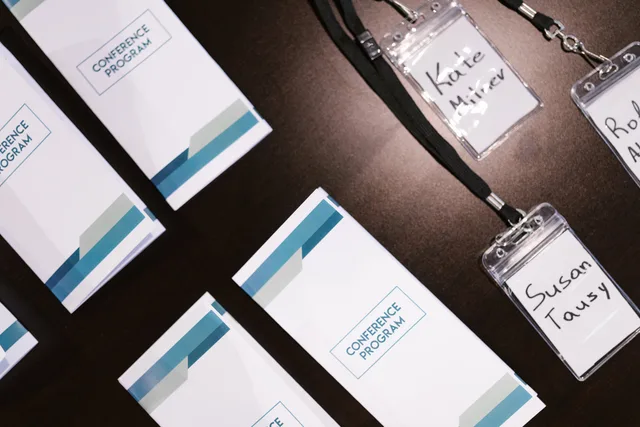
Conference demand is the steadiest. Delegates expect a bag, a name badge and something to take home. Organisers order in bulk, often 500 to 5,000 units, and they need everything delivered to a venue before setup day.
Festival demand is spikier. Celtic Connections in January, the Glasgow International Comedy Festival in spring and summer events around the city create short, intense buying windows. Organisers treat these orders as marketing spend, not stationery, so the brief is about impact and deadline rather than the cheapest unit price.
Scottish promotional merchandise buyers therefore work to two clocks: the conference clock, which is planned months ahead, and the festival clock, which can move in weeks.
Named venues driving Scottish promotional merchandise orders
Glasgow's venues set the scale of each order. The Scottish Event Campus (SEC) includes the SEC Centre, SEC Armadillo and OVO Hydro. Together they host conferences, exhibitions and concerts that need thousands of branded items per event.
Glasgow venues and merchandise
Venue
- SEC Centre
- Conferences, exhibitions
- OVO Hydro
- Concerts, arena events
- SEC Armadillo
- Conferences, dinners
- King's Theatre
- Theatre, panto
- Hampden Park
- Football
Event type
- SEC Centre
- Delegate bags, lanyards
- OVO Hydro
- Sponsor items, staff clothing
- SEC Armadillo
- Badges, table items
- King's Theatre
- Programmes, uniforms
- Hampden Park
- Matchday, sponsor merchandise
Typical merchandise
- SEC Centre
- OVO Hydro
- SEC Armadillo
- King's Theatre
- Hampden Park
The SSE Hydro, now the OVO Hydro, is a concert and event venue with a large capacity, so tour merchandise and sponsor giveaways are ordered in volume. The SEC Centre handles exhibitions where exhibitors buy their own promotional products on top of the organiser's order.
Smaller venues matter too. The King's Theatre, the Theatre Royal, the Pavilion Theatre and the Tramway all run programmes that need printed programmes, branded signage and staff uniforms. Hampden Park and Celtic Park and Ibrox Stadium drive matchday and sponsor merchandise.
The University of Glasgow and Glasgow Caledonian University add graduation and open-day orders. Each venue has its own delivery rules, loading bay times and storage limits, which affects how buyers package an order.
Named venues driving orders
| Venue | Main event type | Typical merchandise |
|---|---|---|
| SEC Centre | Conferences, exhibitions | Delegate bags, lanyards, stand giveaways |
| OVO Hydro | Concerts, arena events | Sponsor items, staff clothing, signage |
| SEC Armadillo | Conferences, dinners | Badges, table items, programmes |
| King's Theatre | Theatre, panto | Programmes, uniforms, signage |
| Hampden Park | Football, events | Fan giveaways, matchday items |
| University of Glasgow | Graduations, open days | Certificates folders, banners, gifts |
How Scottish buyers source branded merchandise differently
Scottish buyers tend to use a smaller pool of suppliers than buyers in England. Distance matters. A supplier in Glasgow or the central belt can deliver to a venue, handle a last-minute top-up and collect leftover stock without a courier crossing the border. Outside the public sector, buyers can order from any UK supplier, from large UK-wide distributors such as 4imprint to a small decorator in the central belt.
Many Scottish organisations also buy through framework agreements or public sector contracts. Councils such as Glasgow City Council buy through Scotland Excel national frameworks, and universities and colleges, including the University of Glasgow, buy through APUC, the sector's procurement centre of expertise. Some public bodies also use Crown Commercial Service (CCS) agreements. Those routes work through approved suppliers on the framework, which narrows the field further. That is different from a private company that can order from any UK supplier.
Buyers also check local credentials. Membership of the British Promotional Merchandise Association (BPMA) is a common filter, and the association's member directory is where many Scottish buyers start their search. Buyers ask about product safety and compliance with UK rules. Demand signals from England often reach Scottish buyers later, so Scottish orders can lag behind English trends by a few weeks.
A practical example. A Glasgow conference organiser needs 1,200 delegate bags for a two-day event at the SEC in September. They request quotes in June from three Scottish suppliers and one English supplier.
The Scottish suppliers can deliver to the venue and store spares locally. The English supplier quotes a lower unit price but adds a pallet delivery charge and a two-day window. The organiser picks a Scottish supplier for certainty, not price.
Lead times from Scottish suppliers around peak events
Lead times stretch when Glasgow's calendar is busy. In quiet periods, a Scottish supplier might turn around a simple order of printed bags or lanyards in two to three weeks. In peak weeks, the same order can take four to six weeks.
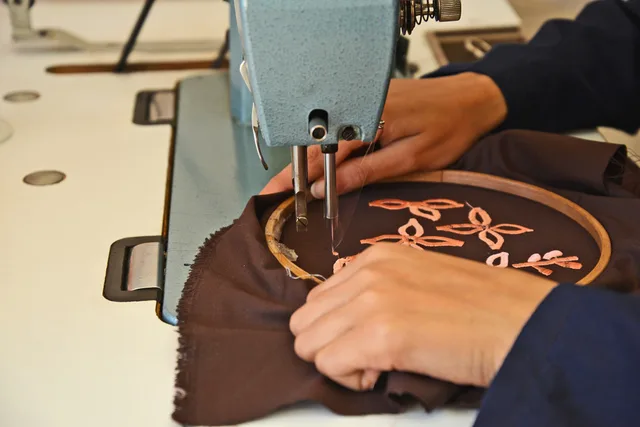
Custom items take longer. Printed clothing, embroidered uniforms and bespoke packaging often need four to eight weeks because production slots fill up. If artwork is not approved, the clock restarts.
Delivery is the second constraint. Venues such as the SEC and OVO Hydro have booked loading slots. A late delivery may miss the slot and wait until the next day, which can be after the event has started.
Buyers should build a buffer. A common rule is to add two weeks to any quoted lead time for an event order. For large conferences, place the order at least eight to ten weeks before setup day. For festivals, six weeks is safer than four.
Delivery planning helps here: confirm the venue's delivery rules, name a contact on site and split large orders into two drops if storage is tight.
Seasonal buying patterns across the Glasgow year
Glasgow's year has clear buying seasons. Each one changes what buyers order and when they order it.
Spring is conference season, with association conferences and the Glasgow International Comedy Festival competing for the same supplier capacity. Summer is the festival build-up: outdoor events and cultural festivals need tote bags, T-shirts, caps and weatherproof banners. Autumn brings graduation and the start of the academic year at the University of Glasgow and Glasgow Caledonian University, so gifts, staff clothing and open-day giveaways are ordered. Winter is Christmas markets and festive events, where hats, scarves, mugs and small gifts carry the branding.
Glasgow seasonal buying calendar
- January to MarchCeltic Connections, early conferences
- April to JuneSpring conferences, comedy festival
- July to SeptemberSummer festivals, graduations
- October to DecemberAutumn conferences, Christmas markets
The pattern repeats, but the volume varies with the economy. ONS business counts by region show how the number of businesses varies across Scotland, and a denser business base means more buyers competing for the same peak-week supplier capacity.
For suppliers, that data is the case for holding Scottish stock rather than shipping everything north on demand.
Checklist for a Glasgow event order:
- Confirm the venue's delivery window and loading bay rules.
- Check BPMA membership and product safety compliance.
- Approve artwork before production starts.
- Add two weeks to the quoted lead time.
- Ask for a split delivery if storage is limited.
- Keep a spare 5 per cent of stock for replacements.
- Book courier or local van hire before the event week.
What Glasgow demand means for UK-wide suppliers
Glasgow is not a small side market. Its venue scale and festival calendar create repeat, high-volume orders that UK-wide suppliers want.
But distance is a real cost. A supplier based in Manchester or London can win Scottish work if it plans delivery properly. That means a Scottish depot, a partner printer in the central belt or a courier contract with a national carrier such as DPD or Royal Mail that covers Glasgow venues.
Suppliers that treat Scotland as an extension of England miss the local rules. Scottish buyers ask about waste and recycling expectations at venues, and they expect UK compliance, not US practice. The Advertising Standards Authority (ASA) and the Information Commissioner's Office (ICO) rules apply to how promotional campaigns are run and how data is handled.
For buyers, the lesson is simple. Match the supplier to the event, not just to the price. A supplier that knows the SEC's loading times and Glasgow's festival weeks will save more time than a slightly cheaper quote from far away. Seasonal promotional merchandise planning should sit alongside the events calendar, not after it.